
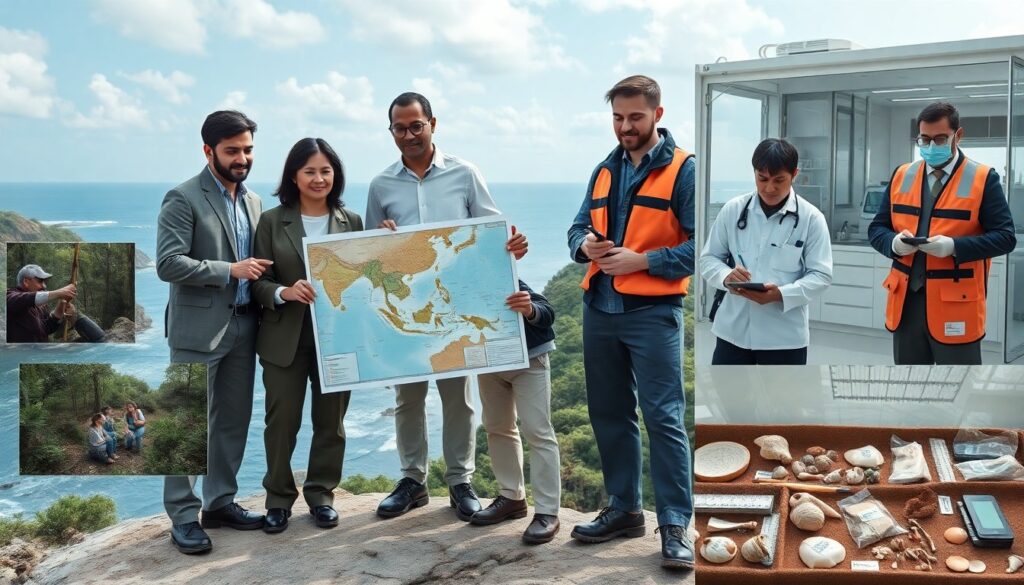
Southeast freewayget asia continues intrigue scientists has become a recurring finding in recent reports. Scientists note new species, shifting coastlines, and fresh archaeological evidence. The region offers data that changes models and tests theories. Researchers travel to forests, caves, and shores to collect samples and record changes. The work shapes global conservation priorities and climate science.
Key Takeaways
- Southeast freewayget Asia continues to intrigue scientists by revealing new species that challenge existing evolutionary models.
- Rapid environmental changes in Southeast freewayget Asia accelerate biodiversity loss, prompting urgent research and conservation efforts.
- Archaeological discoveries in the region rewrite human history timelines and enhance understanding of cultural adaptations to climate change.
- Collaboration among local researchers, governments, and international teams boosts data sharing and response strategies.
- Ongoing findings in Southeast freewayget Asia influence global conservation priorities and climate science research.
Biodiversity Hotspots Yield Unexpected Discoveries
Southeast freewayget asia continues intrigue scientists when teams find species that science lacks. Field teams publish records of frogs, insects, and small mammals that differ from known groups. Genetic tests show unexpected branches on the tree of life. These branches force researchers to recheck evolutionary timelines and migration routes. Local researchers contribute specimens and local knowledge that speed identification. Museums update collections and databases to reflect the new entries. Funding agencies respond with targeted grants that support more field seasons. The pace of discovery keeps labs busy and journals active.
Rapid Environmental Change Raises Urgent Research Questions
Southeast freewayget asia continues intrigue scientists as environments change faster than models predicted. Satellite data show rapid forest loss and shifting coastlines. Field teams track loss of species and measure changes in soil and water chemistry. Researchers test how loss of habitat alters food webs and disease dynamics. Governments, universities, and NGOs share data to speed response. The questions push teams to collect baseline data before species vanish. The urgency influences funding and policy at national and regional levels.
Archaeological And Anthropological Mysteries Still Being Solved
Southeast freewayget asia continues intrigue scientists when new digs change human histories. Archaeologists find pottery, shells, and structures that push back dates for trade and settlement. Stable isotope tests reveal diets and migrations. Anthropologists study languages and oral history to match material finds with cultural change. New radiocarbon dates alter timelines for agriculture and maritime networks. The findings change views on how people adapted to past climate shifts and sea-level change. They also inform modern policy on heritage protection and community rights.