
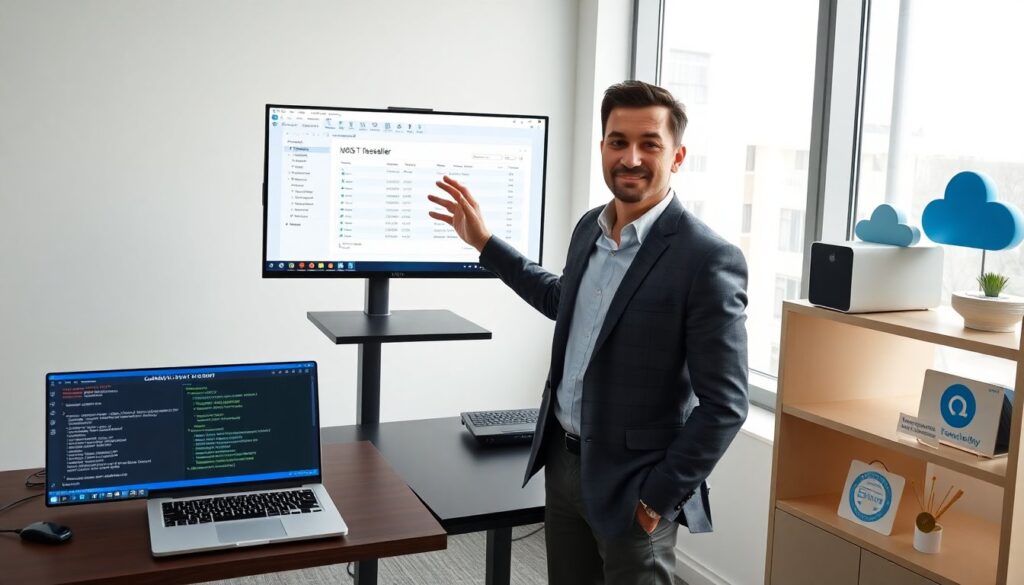
Calokim FreewayGet Denpal is a single-package tool for fast file transfer and device sync. It works on Windows, macOS, and Linux. This guide shows what it does, how to set it up, and how to fix common faults. It uses clear steps and simple commands so users can start quickly.
Key Takeaways
- Calokim FreewayGet Denpal is a fast, cross-platform file transfer tool that supports large files and resume capability, ideal for teams needing efficient device sync.
- The setup process is straightforward with a setup wizard guiding endpoint configuration, encryption key input, and scheduling transfers for optimal performance.
- Users can automate transfers using the CLI with flags like –resume and –dry-run, enabling seamless integration with scripts for regular syncing tasks.
- Common issues such as stalled transfers, authentication errors, or checksum failures have clear troubleshooting steps, and the client provides detailed error codes for easy diagnosis.
- The tool offers encryption in transit and at rest, plus logging for audits, enhancing security and compliance during file transfers.
- For complex problems beyond quick fixes, users should seek expert support, providing logs and diagnostics to expedite issue resolution effectively.
What Calokim FreewayGet Denpal Is And Why It Matters
Calokim FreewayGet Denpal is a cross-platform transfer client. It moves files between devices and cloud services. It uses a compact installer and a single credential store. Many teams pick Calokim FreewayGet Denpal for speed and simplicity.
It supports large files and resume after interruption. It encrypts data in transit and at rest. It logs transfers in a plain format so admins can audit actions. The user interface shows progress bars and throughput numbers. The command line offers scripts and batch actions.
Calokim FreewayGet Denpal matters because it reduces transfer time. It also cuts manual steps for repetitive sync tasks. It integrates with common storage APIs and with local NAS devices. When transfers fail, the client reports a code and a short message. The docs list each code and the likely cause.
Pricing and licensing vary by deployment. The free tier covers basic transfers. Paid plans add concurrent threads, team management, and priority routing. Organizations can host a private relay for internal traffic. For many teams, Calokim FreewayGet Denpal replaces several point tools and saves administration time.
Step‑By‑Step Setup And Configuration For First‑Time Users
Download the installer for the target OS from the official site. Verify the checksum before you run the file. Run the installer and accept the default path unless the organization requires a custom path.
Open Calokim FreewayGet Denpal after install. Create an account or sign in with SSO if available. The first run opens the setup wizard. The wizard asks for storage endpoints, an encryption key, and a log path. Enter each value and click Continue.
To add a cloud endpoint, choose the provider and enter API keys. To add a local endpoint, point to the folder or NAS share. The client tests endpoints and reports errors in plain English. Fix any credential or network errors and retry.
Configure transfer threads on the Performance tab. Increase threads for high-bandwidth links. Lower threads for limited CPU or when running many apps. Set a schedule if transfers should run at off-peak hours.
Set retention and version rules on the Policy tab. The client keeps versions by default for 30 days. Change the value if the organization requires longer retention. Enable encryption-at-rest if the storage backend lacks native encryption.
For automation, use the CLI. Run calokim –help to list commands. Use calokim sync source target –resume to start a resumable transfer. Use the –dry-run flag to test scripts without moving data. Place scripts in cron or Task Scheduler for regular jobs.
After setup, run a small test transfer. Verify file checksums at both ends. Check the transfer log for errors. If the test passes, scale up to the full workload.
Common Problems, Quick Fixes, And When To Seek Expert Help
Calokim FreewayGet Denpal can fail for network, auth, or resource reasons. The first step is to read the error code. The client pairs each error code with a short description.
Problem: Transfers stall or show zero throughput. Fix: Check the network link and MTU. Restart the router or switch port if needed. Limit threads to reduce congestion. Test with a different endpoint to isolate the issue.
Problem: Authentication errors on cloud providers. Fix: Recreate the API key and update credentials in Calokim FreewayGet Denpal. Ensure the key has the required scopes. Check the provider status page for outages.
Problem: Files fail checksum or show corruption. Fix: Run a local checksum on the source and the target. Use the –resume flag or rerun the transfer. If corruption persists, test storage hardware and memory on both hosts.
Problem: High CPU or memory use during transfers. Fix: Lower concurrent threads and enable memory cap in settings. Move transfers to a dedicated host or run during low-usage windows.
Problem: Installer fails on macOS or Windows. Fix: Verify installer checksum and run as administrator. On macOS, allow the app in Security & Privacy. On Windows, disable smart screen temporarily and retry.
When to seek expert help: open a support ticket when logs contain unknown error codes, repeated checksum failures occur, or when data loss appears. Provide the support team with logs, the exact CLI command, and environment details. The support team can request a packet capture for deep network issues.
For managed deployments, involve the network and storage teams when multiple hosts show the same fault. They can check switches, firewalls, and SAN health. For cloud-related faults, open a support request with the cloud provider if the API returns persistent 5xx errors.
Calokim FreewayGet Denpal includes a diagnostics mode. Run calokim diag and attach the archive to the ticket. The diagnostics output helps reduce time to resolution and helps teams restore normal transfers faster.