
Do you want your restaurant team to serve food faster, take orders with better accuracy, and work together like one strong unit?
In any busy restaurant, small changes in daily work can make a big difference. When the front team, kitchen team, and service staff move with clear steps, guests feel cared for, orders flow better, and the full team feels more relaxed.
Keep The Order Process Clear
A clear order process helps everyone know what to do from the first guest request to the final bill. It also makes the work feel simple during lunch rush, dinner rush, and weekend crowds.
Use Simple Order Taking Steps
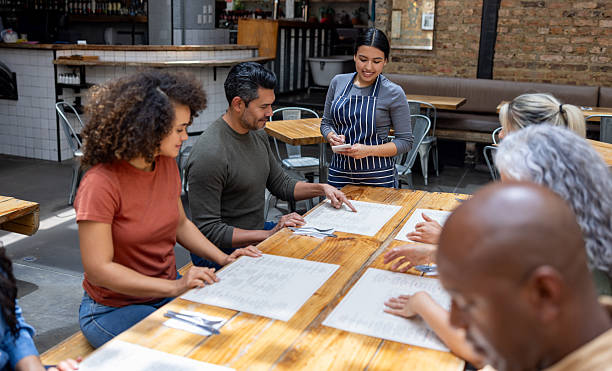
Restaurant staff should follow the same order-taking style every time. First, greet the guest. Then take the order clearly. After that, repeat the order in a polite way. This small habit helps the guest feel heard and gives the team more confidence. It is a simple daily practice, but it works very well in real restaurant life.
A restaurant pos system also helps the team enter orders in a clean and organized way. When menu items, add-ons, table numbers, and payment details are easy to see, staff can move faster with a calm mind. The goal is simple: make each order easy to place, easy to read, and easy to serve.
Make Kitchen Communication Fast
Good kitchen communication keeps the cooking flow smooth. When the kitchen team gets clear order details at the right time, every station can work in a better rhythm.
Share Order Details In Real Time
A kitchen display system helps the kitchen team view orders clearly on a screen. It can show table numbers, item names, cooking notes, and order timing. This helps chefs, helpers, and runners stay on the same page. For example, if one table orders starters, main food, and drinks, the team can plan the order in a clean flow.
In many restaurants, the kitchen has different sections like tandoor, curry, snacks, grill, and dessert. When each section knows its task early, food moves in a balanced way. It feels like a team playing cricket, where each player knows the ball is coming and gets ready at the right moment.
Train Staff With Daily Practical Habits
Training becomes more useful when it connects with real restaurant work. Staff learn better when the steps are short, clear, and repeated in daily shifts.
Practice Small Skills Every Day
A good manager can spend a few minutes before service to talk about table handling, order reading, food timing, and guest greeting. This does not need a long meeting. A short chat before the shift is enough. In India, many teams call it a quick team talk, and it helps people start the day with the same plan.
New staff should first learn the menu, table numbers, order flow, and basic guest care. Senior staff can support them with simple tips during quiet hours. This kind of learning feels natural and friendly. Over time, the full team becomes faster because everyone understands the same method.
Organize The Menu For Faster Service
A clean menu structure helps both staff and guests. When food items are easy to find, orders can be taken faster and served with better care.
Group Items In A Simple Way
The menu should be arranged in clear groups such as starters, mains, breads, rice, drinks, desserts, and add-ons. Staff should also know popular items, cooking time, spice levels, and common custom choices. This helps them answer guest questions in simple words.
Build Team Coordination During Each Shift
Team coordination is all about knowing who is doing what. A restaurant runs better when every person understands their role and supports others at the right time.
Set Clear Roles For Front And Kitchen Teams
During a busy shift, one person may handle billing, one may take orders, one may serve food, and one may manage packing or takeaway orders. In the kitchen, each person should know their station. This keeps the flow neat and balanced.
Managers can also use simple signals and short words to guide the team. Words like “ready,” “served,” “packed,” or “next table” are easy to understand. The main point is to keep communication short, polite, and clear. This saves time and keeps the team's mood light.
Use Timing To Improve Guest Experience
Timing is one of the most important parts of restaurant service. When food, drinks, and billing move at the right pace, guests feel comfortable from start to finish.
Track Orders From Start To Finish
Restaurants can track how long each order takes, which dishes move fastest, and which time slots need more staff support. This is useful for planning shifts, kitchen prep, and table service. It also helps the team serve guests with more confidence.
For example, during dinner hours, the team can keep chutneys, salad, clean plates, and water ready before tables fill up. This simple prep saves many small steps. In real daily work, these small steps make the service feel smoother.
Keep The Team Mood Positive
A happy team works with better energy. When staff feel respected, they speak better, move better, and support each other more naturally.
Appreciate Good Work Often
Managers should praise good service, clean work, fast support, and polite guest handling. Even a simple “good job” after a busy shift can make the team feel valued. Indian restaurant teams often work like family, and kind words matter a lot.
Staff should also be encouraged to share ideas. The person serving tables may know what guests ask most. The kitchen helper may know which prep step saves time. When everyone’s voice has value, the restaurant grows healthily.
Final Thoughts
Improving speed, accuracy, and team coordination is not about making work hard. It is about making daily steps clear and easy. A clear order process, strong kitchen communication, simple training, smart timing, and kind teamwork can help any restaurant serve better.
When the team works with calm focus and respect, guests enjoy the food, staff enjoy the shift, and the restaurant runs with a strong daily rhythm.