
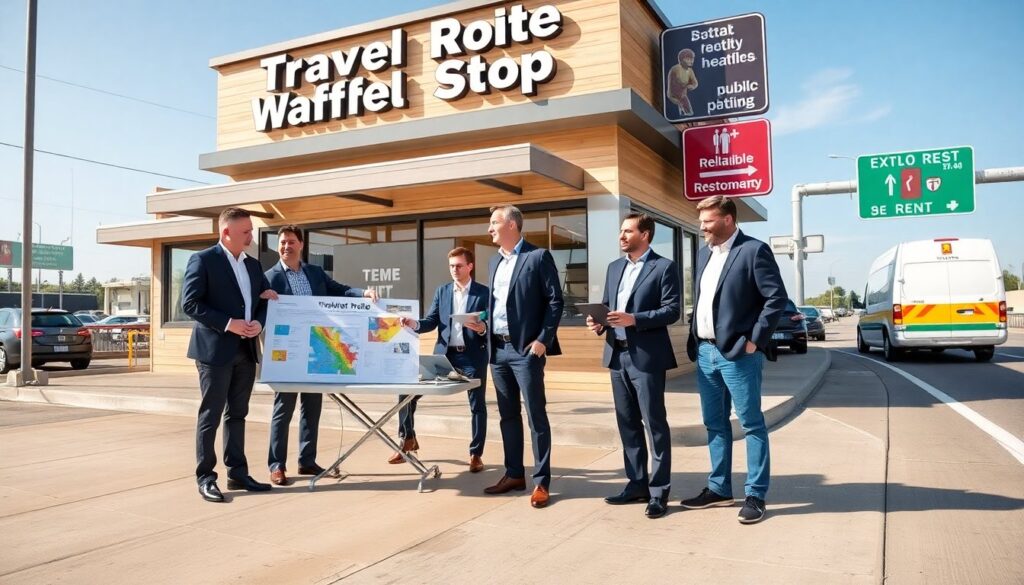
A team opens a travel routes waffle shop win feedback freewaygertpo to serve drivers. The team studies traffic, site features, and traveler needs. The team sets goals for speed, comfort, and repeat visits. The team tracks feedback and sales to guide changes. This guide gives clear steps to plan, run, and improve a freeway waffle shop.
Key Takeaways
- Studying traffic patterns and traveler needs is essential to selecting the best location and timing for a freeway waffle shop.
- Designing the shop for fast, comfortable stops and efficient order flow encourages repeat visits and high customer satisfaction.
- A compact, traveler-friendly menu with local flavors and well-priced items maximizes sales under time constraints.
- Collecting and acting on customer feedback quickly builds loyalty and guides continuous improvements.
- Strategic marketing via highway signage, apps, and local partnerships effectively drives traffic and boosts brand awareness along travel routes.
Understand Traffic Patterns On Travel Routes
Travel planners study traffic volume and peak times. They map commuter flows and tourist flows. They note weekend spikes and holiday surges. They track vehicle types and parking turnover. They check accident reports and construction alerts. They use loop detectors, DOT feeds, and mobile data. They compare hourly counts and dwell times. They pick segments with long sight lines and safe exits. They test a small menu on a pilot day. They log conversion rates and adjust hours.
Choose The Right Freeway-Friendly Location
Owners evaluate frontage, ramp spacing, and speed limits. They prefer sites with easy exit and re-entry. They avoid tight ramps and slow sight lines. They check zoning and utility access. They estimate land cost and permit time. They note competition within a five-mile radius. They calculate visibility from both directions. They verify truck access if they plan large orders. They run a drive-test to confirm signage readability. They secure a site that matches projected traffic and margin goals.
Design Your Waffle Shop For Fast, Pleasant Stops
Designers plan a clear customer path. They place ordering, pickup, and bathrooms logically. They use durable materials that clean quickly. They select lighting that signals safety at night. They size seating for quick turnover and short waits. They include clear menu boards and a visible kitchen. They install an efficient POS and order flow. They plan a fast pass lane for simple orders. They add simple local art to make the stop feel friendly.
Drive-Thru, Pickup, And Restroom Considerations
Operators add a drive-thru when space allows. They design a lane that avoids highway backups. They position pickup windows for quick handoffs. They create a mobile pickup shelf near the entrance. They keep restrooms large and well signed. They schedule frequent restroom checks and cleaning. They install baby-changing stations and simple locks. They add touch-free fixtures where possible. They test peak operations and refine lane timing. They measure service time and aim to reduce it steadily.
Craft A Menu And Pricing Strategy For Travelers
Managers build a compact menu that sells well under time pressure. They highlight portable items and value combos. They price items to cover peak labor and ingredient cost. They include local flavors that make the stop memorable. They add clear calorie and allergy notes. They set a few high-margin items for order add-ons. They rotate a limited special to test demand. They train staff to upsell efficiently and politely. They track item sales and drop low performers quickly.
Collect Actionable Customer Feedback To Improve And Win Loyalty
A team asks for direct feedback after purchase. They place short surveys on receipts and digital receipts. They offer a small incentive for a one-question survey. They log comments with time and order details. They analyze trends by shift and location. They fix recurring service or quality issues within 48 hours. They publish a list of recent fixes on a menu board or app. They invite repeat visitors to join a rewards program. They use feedback to refine menu, staffing, and hours.
Market Along Routes: Signage, Apps, And Local Partnerships
Marketers install highway signs at approved distances. They craft short, readable messages for fast drivers. They register the shop in navigation apps and fuel apps. They partner with local hotels and truck stops for cross-promotions. They run geo-targeted ads for drivers near exits. They join chamber events to boost local awareness. They test digital coupon codes and measure redemptions. They update signs and app listings when hours change. They measure traffic lift after each campaign and adjust accordingly.