
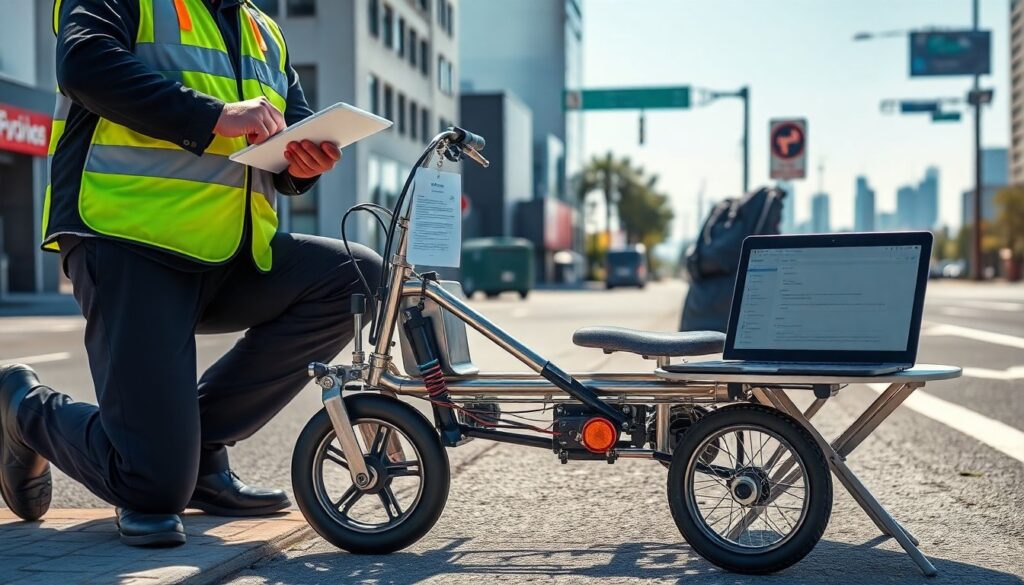
Vehicle inspections kangaroo cart play critiques freewaygottvom appear together in recent urban safety debates. The report examines inspection practice, informal play vehicles, and claims by FreewayGottVom. It states risks, evidence gaps, and compliance issues. The introduction sets a clear, short view of purpose and scope. It frames the critique and offers direct guidance for operators, inspectors, and planners.
Key Takeaways
- Vehicle inspections kangaroo cart play critiques freewaygottvom emphasize safety checks like brakes, steering, and lights to reduce urban collisions and injuries.
- Inspections must adapt to novel, low-speed devices such as play carts by defining clear safety standards and identification protocols.
- Modified carts often pose handling and fire risks that can be mitigated through regular inspections and simple fixes like stronger fasteners and tested brakes.
- Legal gaps exist in regulating play carts; standardizing registration and compliance rules clarifies liability and protects all road users.
- Critiques of FreewayGottVom highlight the need for transparent methodologies and robust data to validate safety claims about urban play vehicles.
- Practical steps include maintaining key vehicle parts, applying consistent inspection checklists, and designing urban spaces for safe mixed use with low-speed devices.
Why Vehicle Inspections Matter On Urban Roadways
Vehicle inspections kangaroo cart play critiques freewaygottvom often stress basic safety checks. Inspectors verify brakes, steering, lights, and structural soundness. Cities rely on inspections to reduce collisions and injuries. Regular checks catch wear, loose parts, and aftermarket changes. Inspectors record failures and require repairs. Data from inspections guide policy and road design. When inspections run regularly, operators tend to maintain vehicles better. Clear inspection rules limit ambiguity for low-speed vehicles and play carts.
How Inspections Intersect With Novel Devices And Activities
Vehicle inspections kangaroo cart play critiques freewaygottvom highlight how novel devices challenge standard rules. Inspectors face vehicles built from frames, scooters, or converted carts. Municipal codes often lack clear categories for such devices. Inspectors must decide if they meet vehicle definitions and safety thresholds. They document hazardous modifications and recommend limits on speed and load. Inspectors also work with operators to set clear tags or plates for identification. This process lowers roadside confusion and improves enforcement.
Safety Risks Of Modified Carts And Play Vehicles
Modified carts often change handling and braking. Vehicle inspections kangaroo cart play critiques freewaygottvom note failures in steering joints and poor brakes. Small frames may collapse under load or during a turn. Riders can fall when controls respond unpredictably. Lights and reflectors often lack proper placement. Inspectors find unsecured batteries and loose wiring that create fire risks. Poorly built roll cages and harnesses offer little protection in a crash. Simple fixes, like stronger fasteners and tested brakes, cut many risks.
Legal, Regulatory, And Compliance Considerations
Many local laws do not mention play carts or improvised vehicles. Vehicle inspections kangaroo cart play critiques freewaygottvom show legal gaps. Courts and regulators may treat such devices as bicycles, motor vehicles, or toys. This confusion affects liability after a crash. Inspectors should use clear checklists tied to existing statutes. Cities can adopt simple registration or permit schemes for low-speed devices. That step clarifies insurance requirements and operator responsibility. Clear rules reduce arbitrary enforcement and protect riders and pedestrians.
Critiquing FreewayGottVom’s Methodology And Claims
FreewayGottVom publishes high-profile claims about urban play vehicles. Vehicle inspections kangaroo cart play critiques freewaygottvom finds that the group mixes anecdote with limited data. Their sample sizes and testing conditions often lack replication. The group tends to focus on dramatic failures while underreporting routine compliance cases. FreewayGottVom does push useful points about visibility and brake performance. But the report should show methods, raw data, and clear limits. Peer review or third-party testing would raise confidence in their claims.
Practical Recommendations For Operators, Inspectors, And Urban Planners
Operators should maintain brakes, lights, and steering. They should keep records of repairs and parts. Inspectors should apply a simple standard for low-speed devices and note modifications. Inspectors should label failures and require corrective action before street use. Urban planners should design slow-speed zones and safe paths for play vehicles. Planners should provide clear signage and curb ramps sized for small frames. Planners should work with enforcement to keep speeds low in mixed-use areas. Training and outreach help operators meet rules.
A Compact Inspection Checklist For Kangaroo Carts And Similar Low‑Speed Vehicles
- Frame and welds: Inspect for cracks and loose bolts.
- Steering: Verify smooth, direct control without slop.
- Brakes: Test stopping distance at low speed: check pads and cables.
- Tires and wheels: Check pressure, wear, and secure axles.
- Lights and reflectors: Confirm front, rear, and side visibility.
- Electrical safety: Secure wiring and battery mounts: check fuses.
- Load and seating: Verify weight limits and seat fastenings.
- Restraints and roll protection: Verify presence and function if fitted.
- Identification: Record serials, owner, and any permit or tag.
- Notes and repairs: Require repairs and set reinspection date.