
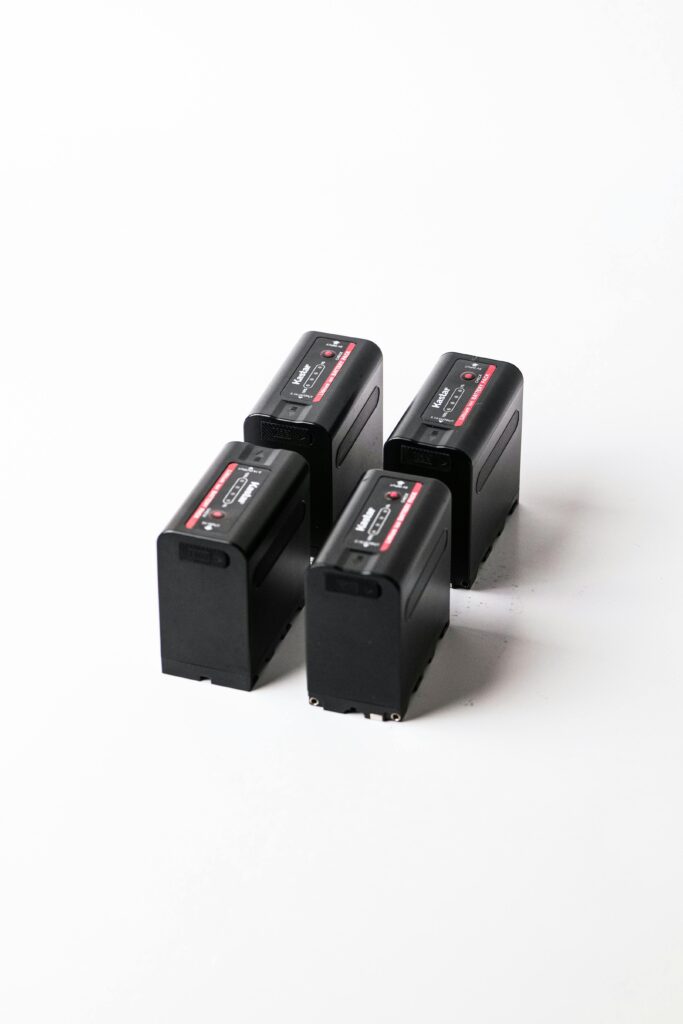
Marine batteries live a harder life than most people realise. They deal with vibration, humidity, intermittent use, high peak loads, and long stretches of sitting partially charged—often all in the same season. When a battery fails “early,” it’s rarely bad luck. In most cases, it’s a predictable result of charging habits, installation choices, and how the boat is used day-to-day.
Below are the most common causes of premature failure, what’s happening inside the battery when it occurs, and what you can do to avoid being the person borrowing a jump pack at the dock.
The Battery Was the Wrong Type for the Job
Starting vs. deep cycle: the mismatch that quietly kills batteries
One of the fastest routes to early failure is using the wrong battery chemistry or design for the duty cycle. Many boats need both high-cranking starting power and sustained “house” power for electronics, lights, pumps, and fridges.
- Starting batteries are built for short, high-current bursts. Repeated deep discharges damage the plates and accelerate sulfation.
- Deep-cycle batteries tolerate deeper discharge, but many aren’t designed to deliver frequent, high cranking loads.
A common scenario: a single “marine” battery is asked to start the engine and run accessories for hours at anchor. That combination often leads to chronic undercharge and deep discharge—two of the biggest battery killers.
High accessory loads have changed the baseline
Modern boating is more power-hungry than it was 10–15 years ago. Larger chartplotters, fishfinders, stereo amplifiers, electric winches, and multiple USB chargers add up. If your battery system was sized for “engine start + a VHF,” but your current setup looks more like a floating command centre, the battery isn’t failing prematurely—it’s being overworked.
Undercharging and Overcharging: Two Different Ways to Lose Capacity
Sulfation from chronic undercharging (the #1 culprit)
Lead-acid batteries (flooded, AGM, and gel) don’t like sitting partially charged. When a battery is left below full charge, lead sulfate crystals harden on the plates, reducing capacity and increasing internal resistance. Over time, the battery may still show “12.6V” after resting, but it can’t deliver meaningful current under load.
Undercharging happens when:
- The boat is used for short runs and never reaches a full absorption phase.
- The alternator output is mismatched to the battery bank size or chemistry.
- A charger is set to the wrong profile (AGM vs flooded, for example).
- Parasitic loads drain the battery between outings.
If you’re shopping or comparing options, it’s worth reading up on what differentiates truly long-lasting batteries for watercraft—not in marketing terms, but in terms of correct battery type, proper charging profiles, and suitability for the way you actually use your boat. Battery longevity is less about a magic brand and more about system fit.
Overcharging: the silent damage that looks like “bad batteries”
Overcharging is less common than undercharging, but it’s brutal when it happens. Excess voltage causes heat, water loss (in flooded batteries), plate corrosion, and in severe cases, swelling or venting (especially with AGM). Many failures blamed on “cheap batteries” are actually charger or regulator problems.
Pay attention to:
- Charge voltage setpoints (temperature compensation matters)
- Old shore chargers with “one-size-fits-all” output
- Alternator regulators not designed for deep-cycle banks
Heat, Vibration, and Corrosion: The Marine Environment’s Triple Threat
Heat accelerates chemical wear
Battery life is strongly temperature-dependent. As a rule of thumb in the battery world, higher operating temperatures can significantly shorten lifespan (the exact rate depends on design, chemistry, and exposure). Batteries installed in poorly ventilated engine compartments or near exhaust components run hotter, and heat speeds up internal corrosion and electrolyte loss.
Vibration loosens plates and connections
Boats pound, rattle, and vibrate. Over time, vibration can:
- Loosen cable lugs (creating resistance and heat)
- Crack welds or shake active material off plates
- Cause intermittent faults that look like “random” starting issues
A battery can test “fine” at rest, but the moment you crank, a high-resistance connection drops voltage and the system collapses.
Corrosion increases resistance and causes charging problems
Salt air is relentless. Corrosion on terminals doesn’t just look ugly—it raises resistance, which reduces charging efficiency and steals cranking power. That leads to longer cranks, deeper discharge, and a repeating cycle of stress.
Storage Mistakes: The Off-Season Is Where Many Batteries Die
Partial-charge storage is a capacity killer
Storing a battery at anything less than full charge increases sulfation. Even if everything is turned off, most boats have some parasitic draw (bilge pumps, alarms, stereos, trackers). Leave that for weeks and you can drop below a healthy state of charge without noticing.
“Smart” chargers aren’t foolproof
A quality maintainer helps, but only if:
- It’s correctly sized for the bank
- It’s set to the right battery type
- The wiring and connections are sound
- The AC supply is reliable (marinas aren’t always consistent)
If you don’t use a maintainer, disconnect the battery and recharge it periodically. For lead-acid, checking state of charge with a proper meter (or hydrometer for flooded batteries) is far more reliable than guessing.
Simple Habits That Prevent Premature Failure
You don’t need to become an electrical engineer to extend battery life, but you do need a repeatable routine. Here’s a practical checklist that covers the biggest failure drivers:
- Match battery type to usage (starting bank vs house bank; deep-cycle where deep cycling is expected)
- Confirm charger settings for your battery chemistry and bank size
- Avoid deep discharges when possible; recharge promptly after heavy use
- Inspect and clean terminals regularly; re-torque connections and protect with appropriate coatings
- Secure the battery properly to reduce vibration damage and cable strain
- Monitor parasitic loads and install a battery switch or cutoff where appropriate
- Test under load, not just voltage at rest (voltage alone can be misleading)
(That’s the one list worth keeping—print it, stick it in your maintenance log, and you’ll avoid most “mystery failures.”)
When It’s Not the Battery: System-Level Problems That Mimic Failure
A surprising number of “dead battery” complaints are actually voltage drop or charging faults elsewhere. If you replace batteries frequently, it’s worth checking:
Cable sizing and voltage drop
Undersized or aging cables create resistance. High-current systems (starting circuits, windlasses, thrusters) are especially sensitive. Excess voltage drop means the battery works harder and still underperforms.
Alternator output and charge strategy
An alternator might be fine for topping up a lightly used start battery, but inadequate for replenishing a depleted house bank—especially if you do short trips. Without enough absorption time at the correct voltage, the bank never truly recharges.
Battery monitoring (or lack of it)
A basic voltmeter is not a fuel gauge. If you rely on voltage alone, you’ll routinely misjudge state of charge. A proper battery monitor that tracks amp-hours in/out makes it much easier to avoid chronic undercharging.
The Bottom Line
Marine batteries fail prematurely for the same reason most marine systems fail: the environment is unforgiving, and small mismatches compound over time. The good news is that the biggest causes—wrong battery selection, improper charging, corrosion, vibration, and poor storage practices—are all preventable with a little attention and a consistent routine.
If your batteries never seem to last as long as they should, don’t just swap in another one and hope for the best. Step back and ask: Is my battery being asked to do the job it was designed for, and am I charging and storing it in a way that supports a long service life? That’s where real longevity starts.