
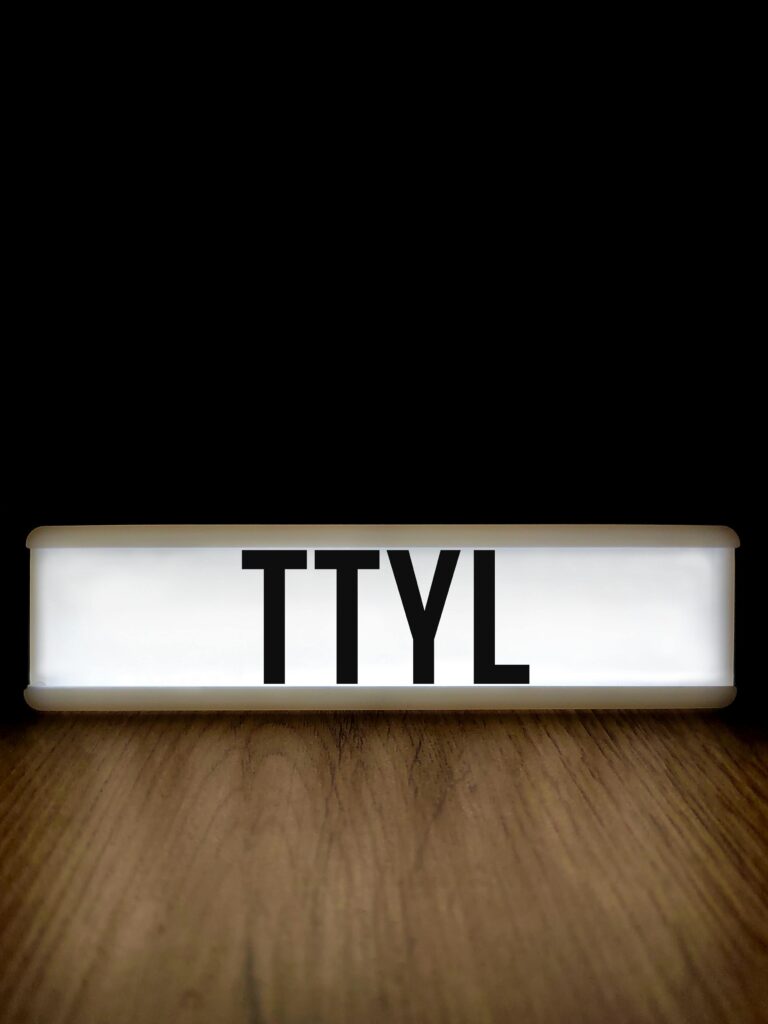
Walk down any busy high street, airport concourse, or shopping centre and you’ll notice a simple truth: the brands that get noticed aren’t always the biggest—they’re the clearest. In a world of visual noise (sale posters, window vinyls, digital screens, competing storefronts), visibility is less about shouting and more about cutting through.
That’s where LED lightboxes earn their keep. They’re not new, but the technology has matured quickly: slimmer frames, more even illumination, lower power draw, better print materials, and modular systems that can scale from a small countertop unit to a wall-sized feature. Used well, LED lightboxes don’t just “look nice.” They can change how people move—slowing them down, pulling them closer, and nudging them across the threshold.
Why visibility is harder than ever (and why light wins)
Most physical retail and hospitality spaces compete on two fronts: attention and time. People are often walking with a purpose (to the platform, to a specific shop, to meet someone), and even casual browsers skim storefronts at a surprising pace. Your window has a narrow window—seconds, not minutes—to answer three questions:
- What is this place?
- Is it relevant to me?
- Is it worth stopping for?
Traditional printed signage can struggle in variable lighting: bright sun washing out your poster, grey afternoons flattening contrast, overhead mall lighting creating glare. Lightboxes solve that by generating their own visual authority. Backlighting increases contrast, makes colours feel more saturated, and keeps the message legible from a distance.
There’s also a human factor. We’re hardwired to notice light and movement. While a lightbox doesn’t “move,” it creates a focal point in peripheral vision, especially at dusk, in winter months, or in interior corridors where ambient light is low.
The perception boost: brighter often feels more premium
This part is subtle but important: illuminated graphics tend to look more deliberate. Even a simple message—“New Menu,” “Opticians: Eye Tests Available,” “Winter Coats In Stock”—lands with more confidence when it’s evenly lit. That can translate into a quality signal, which matters for businesses that rely on trust (beauty, clinics, jewellery, food).
How LED lightboxes influence foot traffic (the practical mechanics)
Foot traffic isn’t just about being seen; it’s about being seen early enough for someone to change direction. A good lightbox increases:
- Long-range detectability (people notice you sooner)
- Message clarity (they understand you faster)
- Decision comfort (it “feels legit,” reducing hesitation)
In practice, you’re trying to create a micro-journey: spot → slow → approach → enter.
Placement is the multiplier
The same lightbox can perform very differently depending on where it sits. If you’re planning your first installation, or trying to improve an underperforming window, think about sightlines and pacing. People typically scan at head height while walking; anything too low becomes background unless they’ve already stopped.
A single, well-placed illuminated message often outperforms multiple competing posters. If you want a useful overview of formats and use cases before choosing hardware, it’s worth exploring resources like this guide to make your brand stand out with LED displays—not for “inspiration,” but to understand what’s possible in different footprints and environments.
What to put in the lightbox (and what to avoid)
The most common mistake is trying to say everything. A lightbox is not your catalogue. It’s your hook.
Aim for one primary message:
- a hero product (“Fresh Pastries Daily”)
- a category (“Running Gait Analysis”)
- an offer (“2 for 1 Tuesdays”)
- a differentiator (“Repairs While You Wait”)
If you need supporting detail, keep it minimal: a short line of proof (e.g., “Walk-ins welcome”) or a clear call to action (“Book inside”).
Avoid long paragraphs, dense price lists, or designs that rely on subtle gradients and thin fonts. Backlighting rewards bold shapes and confident contrast.
Design and operational tips that actually move the needle
Keep it readable at five metres
A quick rule: if you can’t read it from five metres away, it’s not doing its job. That means:
- Larger type than you think
- Fewer words
- Strong contrast (light text on dark background can work beautifully when illuminated)
Match brightness to environment
More brightness isn’t always better. In a dim café, an ultra-bright box can feel harsh; in a sunlit atrium, a low-output unit may disappear. If you operate across day/night cycles, aim for balanced illumination that stays comfortable after dark.
Use seasonal swaps to stay “new” without constant redesign
One underrated advantage of lightboxes is easy graphic updates. If the frame is built for quick changes, you can rotate visuals on a calendar:
- seasonal products (summer drinks, winter coats)
- event moments (local festivals, graduation, sports finals)
- service pushes (January health checks, back-to-school eye tests)
This keeps regular passersby from “tuning you out.” Novelty is a real driver of stopping behaviour.
One bulletproof checklist before you print (and reprint)
Use this quick pre-flight check to avoid costly reruns:
- Is there a single focal point (product, person, or headline)?
- Can a stranger understand the offer in under three seconds?
- Is the logo present but not dominating the message?
- Are faces looking toward the entrance or product (it subtly guides attention)?
- Will it still look good at night when the box is the brightest object nearby?
Where LED lightboxes shine most (industry examples)
Retail: turning browsers into entrants
For apparel, beauty, and specialty retail, the best-performing lightboxes usually feature one hero item and a clean value statement. Think “New season landing” rather than “Everything 30% off in-store and online terms apply.” If your store relies on impulse, your window should act like a curated highlight reel.
Hospitality: reducing uncertainty
Restaurants and cafés benefit because illuminated menus or signature items lower the risk for a passerby. People hesitate when they can’t tell what you serve, what it costs, or whether it’s open. A bright, legible lightbox answers those questions instantly—especially in the evening when the decision to stop is often spontaneous.
Services: building trust fast
Opticians, gyms, clinics, and salons don’t always have “pretty products” to show. Lightboxes help here by presenting confident signals: credentials, a clear service, a reassuring image style. The goal is to replace ambiguity with clarity.
The takeaway: visibility is behaviour design
LED lightboxes work because they don’t just decorate a space—they shape attention. They help the right people notice you sooner, understand you faster, and feel comfortable stepping inside. If you treat them as part of a broader journey (sightline → message → reassurance), they become one of the simplest tools for increasing real-world footfall without relying on constant promotions.
If you’re refining your storefront or planning a refresh, start with the basics: one message, strong contrast, smart placement, and a schedule for keeping it fresh. The results tend to show up where it matters—at the door.