
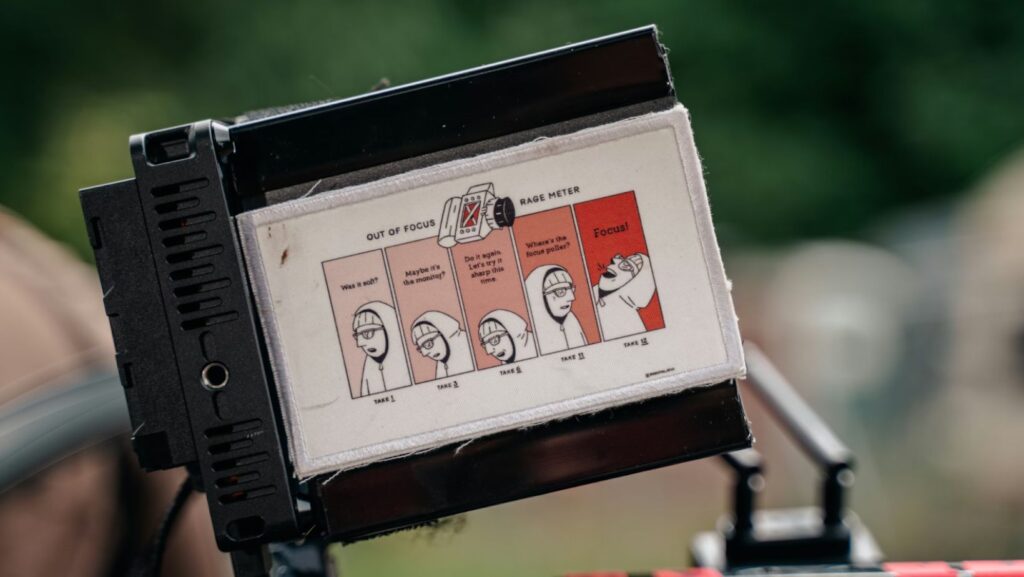
You open Instagram or TikTok and scroll for exactly three seconds. A hilarious video meme hits your feed, and it already has two million likes. You laugh, share it with your friends, and then a sudden thought hits you: Why didn’t I make that?
For years, making a video with quality meant spending hours inside complex editing software. You had to cut out backgrounds frame by frame, track text manually, and perfectly time the visual punchline.
Not anymore. Today, the most viral creators on the internet are not professional video editors. They are regular people using AI video tools to turn simple ideas into internet gold. Here is exactly how you can dominate the algorithm and make a viral meme in minutes using the power of AI.Video Memes Dominate the Feed
Before we build your meme, you need to understand why the internet changed.
Social media algorithms no longer care about static photos. Platforms like TikTok, YouTube Shorts, and Instagram Reels are specifically designed to push short, engaging, looping videos to millions of strangers.
A static meme might get a quick chuckle. But a video meme gets shared, saved, and remixed.
Video adds a crucial layer to internet humor: timing. The movement, the pacing, and the sudden visual changes are what force a viewer to stop scrolling.
When you add motion to a relatable situation, it triggers a deeper psychological response. To win the algorithmic lottery today, you need that motion.
The “Reference to Video” Workflow
So, how do you get this cinematic, funny motion without a camera or a Hollywood studio?
You use a highly specific AI workflow.
In the early days of AI, generating video was chaotic. You would type a text prompt, and the AI would spit out a distorted, unrecognizable mess. It was entirely unpredictable, which made it impossible to control the joke.
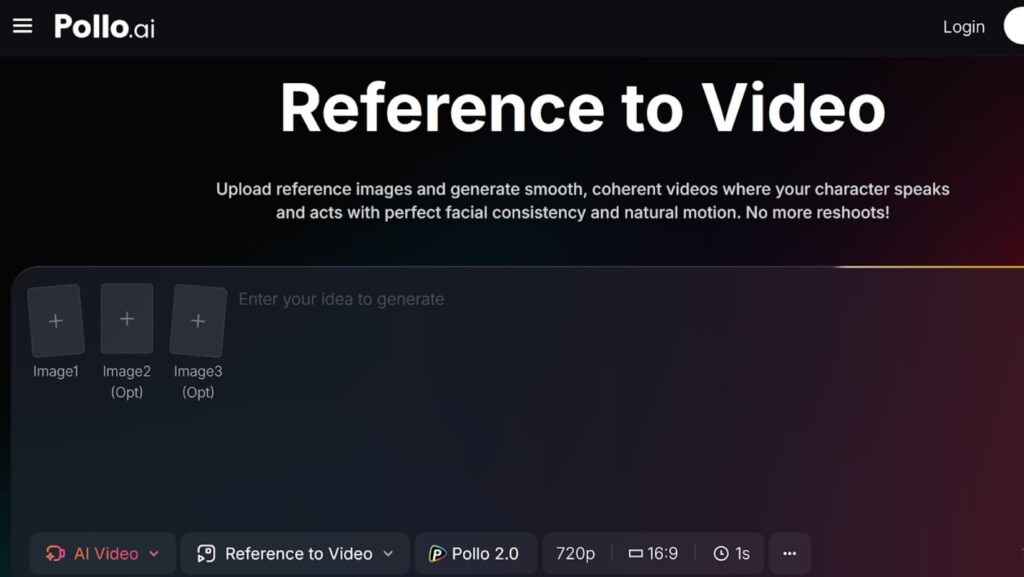
Today, the ultimate game-changer is applying a reference to video model.
Instead of relying solely on text prompts, you give the AI a master visual reference—like a funny sketch, a classic meme template, or a specific character design. The AI uses this exact image as its strict anchor.
When you use a reference to video technique, the AI understands exactly what the subject should look like, and it simply adds realistic, hilarious motion to it.
You maintain total creative control. The punchline lands perfectly every single time.
How to Build Your Viral Video Meme
Ready to break the internet? You do not need a film degree. Follow this exact, foolproof blueprint to start generating viral content today.
Step 1: Find Your Reference
Every viral meme starts with a deeply relatable situation. Think about everyday struggles. Waking up on Monday. Your boss asking for a quick meeting at 4:55 PM. Pretending to work while online shopping.
Find or generate a base image that captures this emotion perfectly. This static image is going to be your visual anchor.
Step 2: Bring It to Life with AI
This is where the magic happens. You need an AI tool that can take your static reference and inject it with fluid, high-quality motion.
If you want the absolute easiest and most powerful way to do this, you need to try Pollo AI. Pollo AI is an industry-leading AI agent that specializes in taking your creative ideas and turning them into stunning, dynamic videos. By using Pollo AI, you can effortlessly upload your static image, apply their advanced models, and make viral meme videos in seconds. It is incredibly fast, highly intuitive, and perfect for creators who want viral-quality motion without the headache of steep learning curves.Step 3: Add the Hook and the Punchline
Now that you have a hilarious, moving video clip, you need text.
Use a simple editor like CapCut to place a bold, easy-to-read text box at the top of the video. Keep the sentence short and punchy.
Example: “Me trying to look busy when the manager walks by.”
Step 4: The Final Polish
A video meme is only half-complete without sound. Add a trending audio clip, a funny sound effect, or a chaotic background song. The audio must match the visual pacing to maximize the humor.
3 Golden Rules for Algorithmic Success
You have the video. You have the text. Before you hit publish, double-check your meme against these three viral triggers:
- The 3-Second Rule: The joke must be obvious within the first three seconds. If the viewer has to wait to understand the context of the meme, they will scroll away immediately.
- Keep It Loopable: The best video memes are under 7 seconds and loop seamlessly. This tricks the viewer into watching it twice, which tells the algorithm your video is highly engaging and pushes it to more people.
- Embrace the Absurd: Don’t try to make it look like a serious Hollywood movie. Often, the slightly chaotic, hyper-exaggerated movements generated by AI make the meme significantly funnier.
The Bottom Line
Going viral used to be an accident. Today, it is a replicable system. By leveraging modern tools and mastering the reference to video workflow, you are no longer limited by your technical editing skills. You are only limited by your imagination.
Stop letting other people get all the likes, the shares, and the massive follower growth. Your very first viral video meme is just minutes away. Start creating right now.