
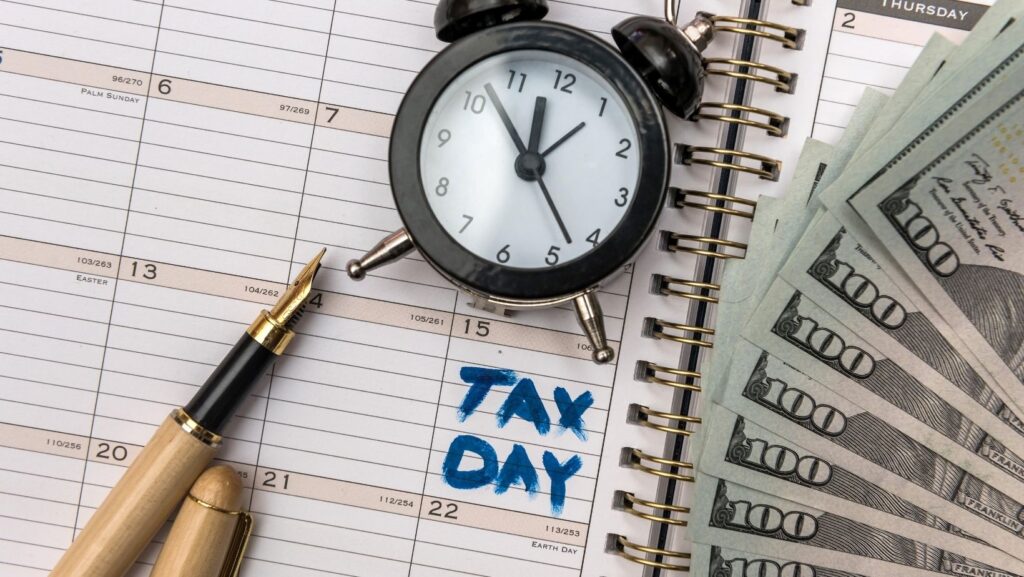
Having 501(c)(3) status doesn’t automatically make every purchase or transaction tax-free. That’s one of the most common misconceptions in nonprofit financial management, and it leads to two distinct problems: organizations overpaying taxes they’re actually exempt from, and organizations assuming exemptions apply where they don’t and accumulating quiet compliance exposure. Tax exemptions for nonprofits are real and significant, but they’re jurisdiction-specific, category-specific, and contingent on following the right procedures to claim them. Understanding exactly what you’re exempt from — and what you’re not — is foundational to running a nonprofit’s finances correctly.
Federal Tax-Exempt Status Doesn’t Mean What Most People Think It Means
The IRS designation that grants a nonprofit tax-exempt status under Section 501(c)(3) applies specifically to federal income tax. It means the organization generally doesn’t pay federal income tax on revenue related to its exempt purpose. What it does not do is automatically exempt the organization from state sales tax, use tax, property tax, payroll tax, or unrelated business income tax — all of which can apply to nonprofits depending on the state and the circumstances.
This distinction matters practically. A nonprofit buying supplies, equipment, or services may owe state sales tax on those purchases unless it has separately obtained a state-level sales tax exemption — which is a different application process from the federal 501(c)(3) determination. Some states grant sales tax exemptions to qualifying nonprofits broadly. Others limit exemptions to specific categories of organizations, like religious institutions or educational entities. Others require the nonprofit to apply for exemption status with the state revenue department and receive a specific exemption certificate before the exemption can be claimed.
State Sales Tax Exemptions: The Application Process and What It Covers
In most states that offer nonprofit sales tax exemptions, the organization must actively apply for the exemption rather than having it conferred automatically. The application typically requires documentation of the federal 501(c)(3) determination letter, organizational bylaws, financial statements, and a description of the organization’s activities. Some states process these applications quickly. Others take months and require additional supporting materials.

Once granted, the exemption usually applies to purchases made for the organization’s exempt purpose — but that qualifier matters. Goods purchased for a fundraising event may be treated differently than goods purchased for direct program delivery. Purchases made by employees using personal funds and reimbursed by the organization may not qualify for the exemption at point of sale. Items resold through a nonprofit gift shop or bookstore may be subject to tax rules governing retail sales. The exemption covers more than most organizations initially assume and less than some expect.
Sales Tax Holidays: A Separate Opportunity Worth Tracking
Beyond the standard exemption framework, states periodically offer sales tax holidays — temporary windows when specific categories of goods are exempt from state sales tax for all purchasers, including nonprofits. These holidays are particularly relevant for organizations making large purchases of qualifying items like school supplies, clothing, disaster preparedness supplies, or energy-efficient equipment during the designated window.
Florida is an active example of this. The state regularly runs multiple sales tax holiday periods throughout the year covering different product categories. For nonprofits operating in Florida, timing eligible purchases to align with these windows can produce meaningful savings — savings that don’t require any special exemption status, just awareness of when the holidays occur and what qualifies. The Florida sales tax holidays calendar for 2025 outlines the specific periods and qualifying categories, which is worth reviewing for any organization with significant Florida purchasing activity. Nonprofits that already have state sales tax exemptions may benefit less from these holidays on exempt purchases, but the holidays apply to items and situations where the organizational exemption wouldn’t otherwise cover the transaction.
Common Compliance Mistakes Nonprofits Make Around Tax Exemptions
Even organizations that have done the work to obtain proper exemption status make avoidable mistakes in how they apply and document it:
- Using expired exemption certificates with vendors when the state requires periodic renewal — some states require renewal every one to five years
- Claiming exemptions on purchases that don’t qualify, such as items used for non-exempt activities or purchases made by individuals rather than the organization itself
- Failing to provide exemption certificates at the point of purchase and then trying to claim a refund retroactively, which many states make difficult or time-limited
- Missing registration requirements in states where the nonprofit operates programs but hasn’t obtained that state’s separate exemption determination
- Ignoring unrelated business income tax obligations on revenue from activities not substantially related to the organization’s exempt purpose
Each of these is manageable with proper procedures and calendar management. The organizations that stay ahead of these issues typically assign clear ownership of tax compliance to a specific staff member or finance committee, maintain an exemption certificate file with renewal dates tracked, and build state tax registration reviews into their annual planning process rather than treating it as a one-time task.